

A family lands in Brisbane halfway through Term 2. The local primary school is happy to take their eight year old, and the office hands over an enrolment form. Then comes the list: proof of age, proof of address, immunisation history and the last school report. The birth certificate is in Vietnamese and the vaccination booklet is handwritten.
This is one of the most common reasons parents contact us. Most schools want to help a new child settle quickly. They still need records they can read and file, so anything in another language needs an English version, and NAATI certified translations for Australian families are the usual way to provide one.
This guide explains what schools usually ask for, which records to translate, how overseas vaccinations fit in, and what to carry on enrolment day. Translation is one part of the process, and it works best when the rest of the pack is ready at the same time.
You are not alone in this
Families arriving from overseas are a normal part of Australian school life. The Australian Bureau of Statistics reports that 8.8 million people living in Australia at 30 June 2025 were born overseas. That is 32.0% of the population, the highest share recorded since the 1890s.
Schools in growing suburbs see overseas paperwork every week. Office staff generally know what a translated birth certificate looks like. What slows things down is usually a missing page or a record that does not match the child's passport. The latest ABS country of birth figures show India, England, China and New Zealand as the largest birthplaces.
What schools usually ask for
Each state and territory runs its own enrolment rules, and individual schools add local steps.
The exact wording varies. The categories below come up almost everywhere, so they are a sensible starting point before you call the school.
| Evidence category | Typical documents | Translation needed? |
|---|---|---|
| Proof of age and identity | Birth certificate, passport | Birth certificate if not in English; passports usually carry English fields |
| Residency or visa status | Visa grant notice, citizenship evidence | Usually no, as Australian visa notices are issued in English |
| Proof of address | Lease, utility bill | No, these are normally Australian documents |
| Immunisation history | Overseas vaccination booklet or certificate | Yes, if not in English |
| Previous schooling | Recent report cards, transfer letter | Often requested, especially for placement decisions |
| Health and support needs | Specialist letters, allergy plans, disability reports | Yes, if not in English and relevant to care at school |
Ring the school before you order anything. Ask which records they need in English, and whether they want the whole document or only key details. That one phone call often saves money. The NSW Department of Education, for example, explains its public school enrolment steps on a single page, and other states publish similar guidance.
Immunisation records need their own plan
Vaccination history is the record that most often holds up a start date. Many schools, particularly at primary level, ask for an immunisation history statement from the Australian Immunisation Register rather than an overseas booklet.
A child arriving from overseas will not have an Australian statement yet. The usual path is to book a GP or another recognised vaccination provider, bring the overseas record, and ask them to add those vaccines to the register.
The provider has to read the record to do that. A handwritten booklet in another language is hard to assess, so a certified English translation makes the appointment far more productive. Once the vaccines are recorded, you can download the statement through Medicare and give it to the school.
Practical tip: book the GP appointment before you visit the school. Bring the original booklet, the English translation and your child's passport. If the doctor identifies catch up vaccines, the school can usually advise how that affects enrolment.
Extract or full translation for each record
Not every school document needs every word translated. An extract translation covers the key details in a set layout, while a full translation reproduces the entire document, including stamps and handwritten notes.
| Document | Usual choice | Why |
|---|---|---|
| Birth certificate | Extract, unless the school asks for full | Names, date and place of birth and parents are the key details |
| Vaccination booklet | Full | Every vaccine, date and dose matters to the GP |
| School report card | Full | Teacher comments help with year level placement |
| Specialist or allergy letter | Full | Medical detail must be complete and exact |
| Transfer letter | Full, if it is short | Confirms the last year level completed |
For identity records, our certified birth certificate translation keeps names and dates consistent with your child's passport. Check that the spelling on the translation matches the passport exactly. A different romanisation of the same name is one of the few things that reliably prompts a follow up question.
Medical letters deserve the same care. A specialist report about asthma, epilepsy or a food allergy affects how staff look after your child. Ask for every page, including diagnosis codes and medication doses, to be translated in full.
Starting partway through a term
Australian schools enrol children throughout the year, not only in late January. Arriving mid term is common, and schools generally have a process for it.
The difference is timing. A family arriving in January has weeks to prepare. A family arriving in May may want their child in class within days, so it helps to order translations before you leave home or in your first week here.
Standard turnaround times start from 1 hour for Self Service Extract Translations, from 1 business day for Extract Translations and from 2 to 3 business days for Full translations. These are standard timeframes only, not guaranteed delivery dates, so build in a few spare days.
Report cards and year level placement
Report cards rarely decide whether a child can enrol. They do help the school decide where your child fits best, particularly when school years run differently overseas.
Some countries start the school year in September. Others start school at seven. A translated report showing subjects, grades and teacher comments gives the school context for that conversation. Bring the most recent one or two reports rather than a full school history.
Mistakes we see most often
These come from the files families send us. None of them are dramatic, but each one adds a return trip to the school office.
- Translating only the front of a two sided birth certificate.
- Name spellings that differ between the passport, the translation and the enrolment form.
- Bringing a vaccination booklet to the school instead of to the GP first.
- Photographing documents at an angle, so stamps and dates are cut off.
- Asking a bilingual relative to translate, then finding the school wants a certified version.
If you have already been caught by one of these, it is easy to fix. Our guide to common migration translation mistakes covers several of the same issues in the visa context, and the corrections are the same for school paperwork.
Your enrolment day checklist
Put everything in one folder, originals at the front and translations directly behind them. Office staff appreciate a pack they can copy in a few minutes.
- Completed enrolment form, signed by a parent or carer.
- Child's passport and visa grant notice.
- Birth certificate with certified English translation.
- Australian immunisation history statement, or the overseas booklet with translation and a GP appointment confirmation.
- Proof of address such as a lease or utility bill.
- Most recent report cards, translated.
- Any medical, allergy or support plans, translated in full.
- A note of your child's languages, which some schools use to arrange English language support.
Frequently asked questions
Can I translate my child's documents myself?
Schools set their own rules, and many ask for certified translations. A translation by a parent or relative may not be accepted. Check with the school before relying on one.
Do all states ask for the same documents?
No. Each state and territory sets its own enrolment requirements, and schools add local steps. The core categories of identity, address, residency and immunisation are similar across Australia.
Does my child need Australian vaccination records to start school?
Many schools ask for an Australian Immunisation Register history statement, especially at primary level. A GP can add overseas vaccines to the register once they can read the record.
Should I translate the whole vaccination booklet?
Yes, in most cases. The GP needs every vaccine name, dose and date. A partial translation can leave gaps that lead to unnecessary repeat vaccines.
Can my child start school before the translations arrive?
That decision rests with the school. Some will start a provisional enrolment while documents are finalised. Call the school and explain your timeline.
Is one translation enough for both school and visa purposes?
Often, yes. A NAATI certified translation of a birth certificate is commonly used for both. Keep the digital copy safe so you can reuse it.
Will the school translate documents for us?
Schools generally do not provide certified translations. Some offer interpreters for meetings, which is a separate service from document translation.
Key takeaways
- Call the school first and ask which records they need in English.
- Plan the vaccination step early, as it often decides the start date.
- Use full translations for medical records and vaccination booklets.
- Match name spellings to the passport on every translation.
- Allow for standard turnaround times, especially when arriving mid term.
Getting a child into school is one of the first big steps in a new country. With the right records translated and a tidy folder in hand, it is usually a short visit to the office.
About the author
Olivia Hartley writes about settlement paperwork for migrant families in Australia, focusing on school enrolment, immunisation records and preparing translated documents for schools, GPs and government offices.
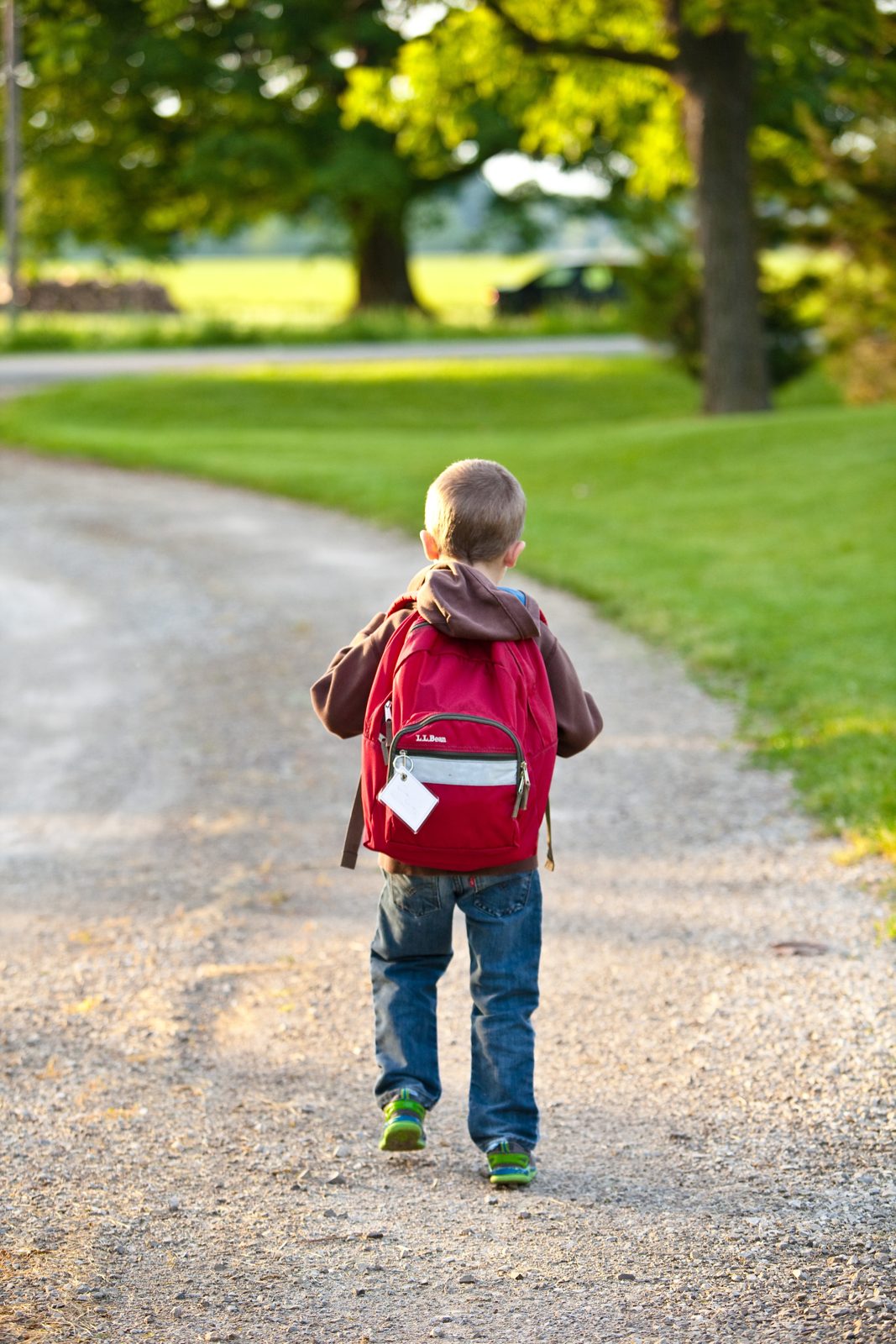
Photograph: Pexels contributor, via Wikimedia Commons. Released under CC0. The photograph illustrates a child walking to school, not a specific family.